







Search Results for: syrup sinking to the bottom

Starbucks Autumn New Product Chestnut Red Bean Paste Latte: Syrup Sinking to the Bottom Sparks Visual Controversy and Taste Discussion
Although September has arrived, the summer heat has not yet faded, but chain coffee brands have already rushed into the autumn market. Starbucks China officially announced the launch of three autumn-flavored drinks on September 2, among which the Yan-Zhao Chestnut Red Bean Paste Latte has attracted much attention for blending with espresso. However, this new product, inspired by "the fragrance of northern autumn chestnuts," has drawn complaints from consumers due to issues such as the flavor sauce sinking to the bottom and the chestnut flavor being masked. This article will analyze in detail the background of the new product's development, the official introduction and the actual serving experience, and explore the differences in presentation between hot and cold drinks. [more…]

HEYTEA's roasted brown sugar boba milk tea syrup clinging to the cup has sparked discussion as it disappears; recipe and preparation standards become the focus
Heytea's classic roasted brown sugar boba series has always been a top repeat-purchase choice for many consumers; the combination of soft and chewy tapioca pearls with brown sugar syrup and hot milk tea makes it hard to give up in any season. However, recently, many enthusiasts across the country have noticed that the brown sugar boba milk tea they received has visibly "turned white" in appearance. The signature dark brown syrup coating that used to cling to the cup wall is no longer visible, and the boba no longer sinks to the bottom together with the brown sugar syrup, but instead floats distinctly as separate particles suspended in the milk tea. This change quickly sparked discussion: is it caused by the syrup dissolving due to stirring in a hot drink, or has the brand quietly adjusted its ingredients and formula? Heytea staff give differing accounts, while the official account denies any formula change and attributes the cause to some stores failing to prepare it according to standard. This article compiles consumer feedback and responses from various parties, and includes relevant recommendations from Front Street Coffee, for the reference of coffee and tea beverage enthusiasts. [more…]
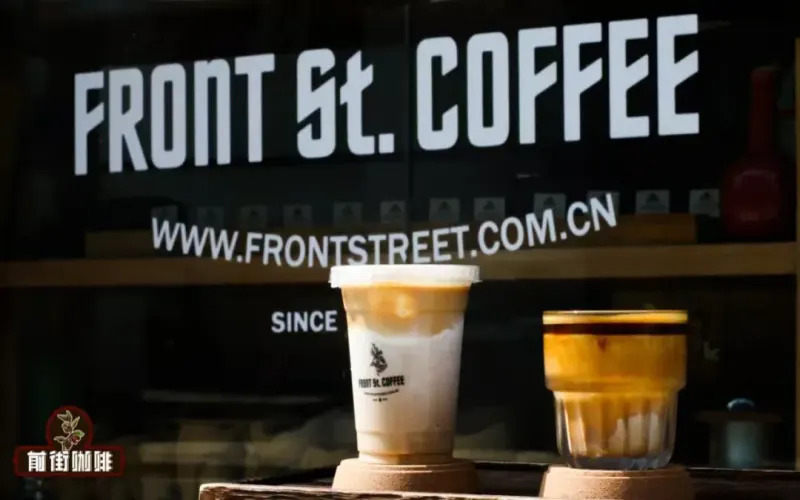
How should you drink espresso to get it just right? A full breakdown of when to stir and when to take big sips
When a cup of coffee is placed in front of you, should you stir it or just take a big gulp? There is no uniform answer to this question—the key lies in the drink's own design intent. In this article, Front Street Coffee sorts out two categories of drinking methods: espresso, iced latte, flavored coffee, and the like need to be stirred before drinking because of their layers, otherwise they will either taste thin, or one sip will be all syrup; while Dirty, Con Panna, hot latte, cappuccino, and espresso-derived small-cup products emphasize not stirring and taking a big mouthful, so that you can simultaneously experience the double contrast between espresso and milk in temperature and flavor, or take in the milk foam and cream along with it. The article also explains the principle behind how the layers form, and the aromatic and sweet lingering aftertaste brought by the retronasal breath after swallowing a big mouthful. Finally, Front Street also reminds us that there is no fixed rule for how to drink—just follow your own preference. [more…]
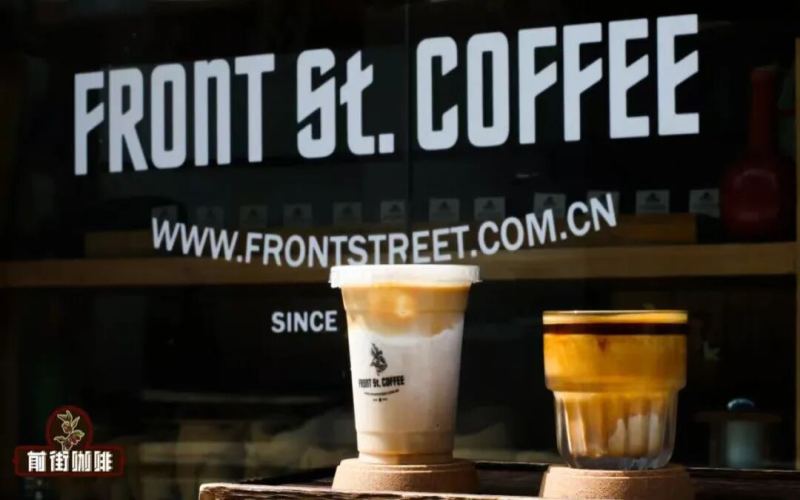
Coffee Tasting | Espresso, Latte, Dirty Coffee — What's the Etiquette for Drinking Them? Why Do Some Coffees Need Stirring While Others Are Meant to Be Gulped?
Although you can drink coffee however you like, doing so can easily cause you to miss out on some of its distinctive flavors. The character of a coffee lies not only in its taste but also in the experience it brings when you drink it—just like a Dirty. If you stir it before drinking, it is almost no different from [more…]

Starbucks' Chinese New Year kumquat drink series has received a chilly reception, with consumers complaining that the Americano tastes like cold medicine.
As the Spring Festival approaches, Starbucks has launched three Chinese New Year limited-edition drinks: Kumquat Cloud Macchiato, Kumquat Tieguanyin Tea Latte, and Kumquat Flavored Americano, aiming to attract customers with the auspicious meaning of "great fortune and prosperity." However, after the products hit the market, the Kumquat Americano quickly became the focus of complaints on social media, with many consumers reporting that its taste resembles cough syrup or Chinese herbal medicine, far from the expected citrusy sweetness. This article will review the real feedback on this new product and analyze the challenges Starbucks faces in its localization innovations. [more…]
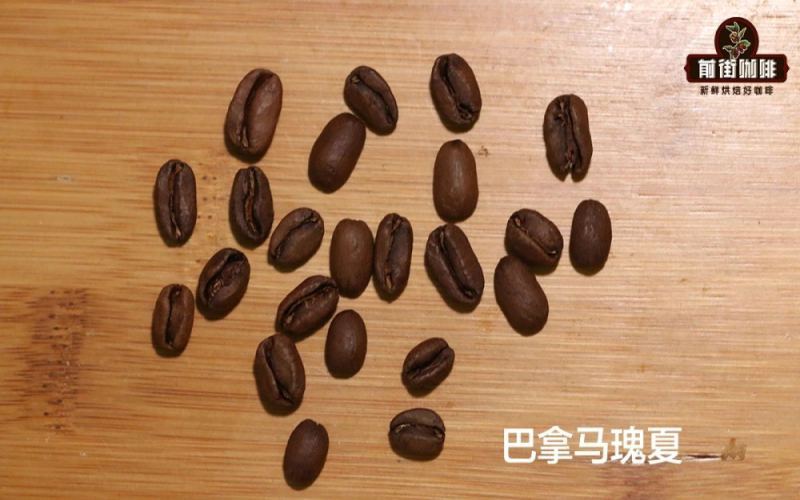
Panama Janson Geisha vs. Bolivia Java: A Full Analysis of Variety Origins, Processing Methods, and Flavor Differences
Geisha and Java—one is famed for its floral and fruity aromas, the other is called Geisha's cousin. What exactly sets them apart? Front Street Coffee recently got hold of a Bolivian Java, and took this opportunity to conduct a comprehensive comparison with a Panama Janson Estate Geisha. This article will dissect the similarities and differences between these two natural-process beans, from variety origins, green bean appearance, and roasting curves to cupping and pour-over flavors. Java first originated in the forests of Ethiopia, spread to Indonesia via Yemen, and later made its way to Central and South America; Geisha, on the other hand, set out from the Geisha forest in Ethiopia and ultimately rose to prominence at Hacienda La Esmeralda in Panama. Through actual brewing and tasting, Front Street found that the Janson Geisha has a cleaner mouthfeel, while the Bolivian Java boasts rich layers—each has its own strengths. [more…]
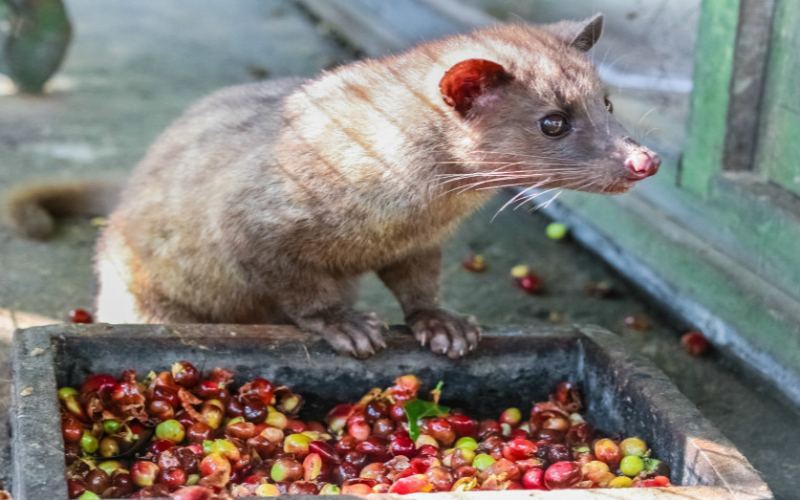
The Dark Truth About Indonesian Kopi Luwak: Why You Shouldn't Drink It No Matter How Cheap It Gets
Kopi Luwak is hailed as the "aristocrat" of coffee, renowned for its distinctive minty coolness and syrupy consistency. However, behind this expensive drink lies a distressing and cruel truth. Authentic Indonesian Kopi Luwak is extremely low in yield, the market is flooded with a large number of counterfeit products, and the process of artificially farming civets is even more brutal torture for the animals. Front Street Coffee takes you through the origins and flavor characteristics of Kopi Luwak, and why we should no longer consume this kind of coffee. At the same time, Front Street also recommends coffees from other excellent regions, so that while enjoying deliciousness, you can also make a more humane choice. [more…]
From coffee origin legends to the full growing and processing journey: a detailed guide to variety classification, brewing recipes, and health benefits
Coffee, derived from the Greek word "Kaweh," means "strength and passion." This article systematically traces the journey of coffee from the shepherd's legend to its global spread, explains in detail the characteristics and origins of the three major species—Arabica, Robusta, and Liberica—surveys classic single-origin coffees such as Blue Mountain, Colombia, and Mocha along with more than thirty flavored coffee recipes, introduces the varietal composition of Yunnan coffee, and provides an in-depth explanation of the entire process of coffee cultivation, primary processing, and roasting techniques, as well as the many health benefits and drinking contraindications of coffee. Whether you are a beginner just starting out or a seasoned enthusiast, you can gain practical knowledge and tasting inspiration from it. [more…]

The Origin and Evolution of Cream Coffee: From Vienna to Cappuccino and Modern Creative Takes
The pairing of cream and coffee has a long history, dating back to 17th-century Austria. This article will take you through the origin story of cream coffee, from the first-generation cream coffee at the Blue Bottle Café, to its evolution into cappuccino, and then to the traditional methods of Con Panna and Viennese coffee. We will also explore how modern baristas are reinventing cream, including a Starbucks secret menu and a recreation tutorial for the Korean-style Viennese coffee. Front Street Coffee sorts out this delicious history and creativity for you. [more…]
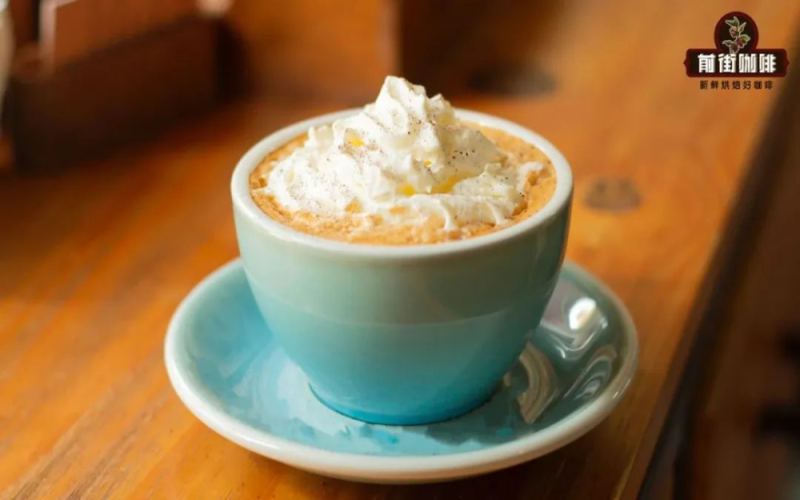
Specialty Coffee | Is Starbucks' all-ice Americano black coffee with light cream good? How can coffee beginners make authentic Viennese coffee at home?
Cream, a rich food with both a silky texture and a thick, creamy mouthfeel. Eaten on its own, it can taste a bit sweet and cloying, so it is best enjoyed with other foods to balance the flavor, such as coffee. In the world of coffee, the word "cream" does indeed appear often. In coffee tasting, it refers to mouthfeel. [more…]
Is Vietnamese Kopi Luwak Authentic? An Analysis of the Origins, Flavor Characteristics, and Correct Brewing Methods of Kopi Luwak
Kopi Luwak is regarded by many as the "aristocrat" of the coffee world, but what exactly is its origin? Is the large volume of Vietnamese Kopi Luwak circulating on the market genuine? True Kopi Luwak originates from Indonesia, officially known as "civet coffee" (Kopi Luwak), and is produced by wild civets eating coffee cherries and undergoing internal fermentation, resulting in extremely low global annual output and high prices. This article will systematically sort out the origin, flavor characteristics, authenticity identification, and animal welfare controversies of Kopi Luwak, and provide a detailed introduction to the parameters and techniques used by Front Street Coffee (FrontStreet Coffee) for brewing Indonesian Kopi Luwak with a KONO dripper. [more…]
Indonesian Civet Coffee Flavor Analysis: Authentic Kopi Luwak Taste Characteristics, Origin Truth, and Pour-Over Recommendations
Kopi Luwak is called the "aristocrat" of the coffee world, officially known as Kopi Luwak, originating from coffee beans naturally fermented in the excrement of the Indonesian civet. When brewed, it carries a sweet aroma reminiscent of honey and chocolate, with a silky mouthfeel that is neither bitter, sour, nor astringent; even after cooling, it remains mellow and sweet, with a faint cooling sensation of mint in the aftertaste. However, the common Vietnamese instant "civet-flavored coffee" on the market is not the genuine article. This article will sort through the origin story of authentic Kopi Luwak, the reasons behind its flavor, the current state of its production and pricing, as well as the hidden concerns behind captive farming, and will include Front Street Coffee's medium-dark roast brewing approach and parameter references, to help coffee enthusiasts view this rare coffee rationally. [more…]
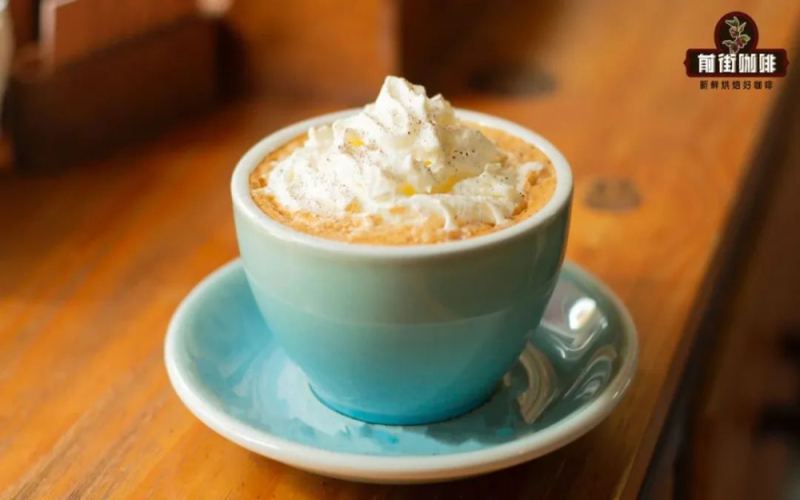
The Origins of Viennese Coffee and Con Panna, and How to Make Cream Coffee: A Detailed Guide to Bean Selection and Steps
The combination of cream and coffee has a long history, from the first cream coffees on the streets of 17th-century Vienna to the Korean-style Vienna coffee that now trends on social media—this pairing has always been full of charm. This article traces the historical origins of cream coffee, sorts out its evolution and relationship with cappuccino and con panna, and provides detailed instructions for making both traditional Vienna coffee and the Korean-style improved version. At the same time, for home and office settings, it recommends the Front Street Coffee espresso blend series beans to help readers recreate a sweet, smooth cream coffee at home. [more…]
A Complete Guide to Cream Coffee: From Classic Viennese Methods to Modern Creative Specialty Drinks
The combination of fresh cream and coffee began more than three hundred years ago. From the earliest cream coffees of Vienna, Austria, to the Korean-style Vienna coffee now sweeping social media, the role of cream in the world of coffee has continued to evolve. This article will trace the historical origins of cream coffee, explore the traditional methods for making Con Panna and Vienna coffee, and provide a detailed recreation of a currently popular vanilla cream Vienna coffee. Whether you are a seasoned connoisseur who prefers rich flavors or an enthusiast keen to try trendy new specialty drinks, you will find a cream coffee option worth trying in this article. [more…]
The Preparation Method and Historical Origins of Viennese Coffee: From Austrian Cream Coffee to Modern Trendy Specialty Drinks
The combination of cream and coffee has a long history, dating back to 17th-century Vienna, Austria. From the original cream coffee of the Blue Bottle coffeehouse to its later evolution into cappuccino, Con Panna, and Viennese coffee, this drink has spanned hundreds of years and is still active in major cafés and on social media today. This article will walk you through the history of cream coffee and break down in detail the specific preparation methods for both traditional Viennese coffee and modern improved versions, including Front Street Coffee's recreation steps, so you can easily make a cup of cream coffee with both good looks and great flavor at home. [more…]
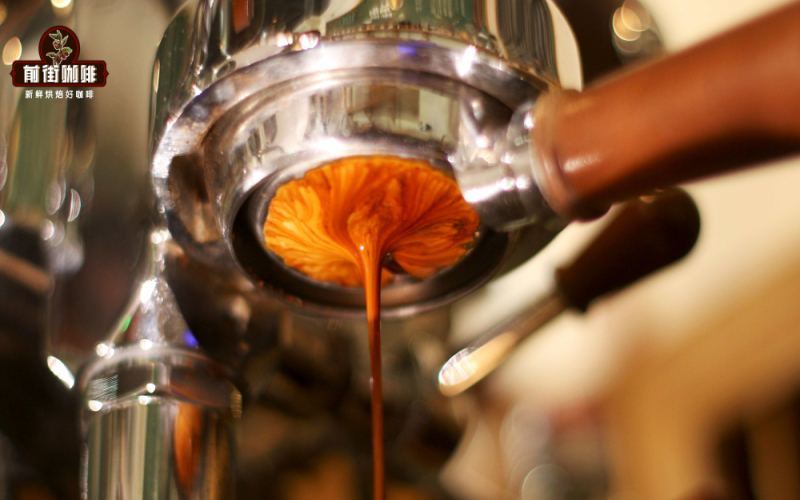
Ten Espresso Drinks: Methods and Differences — Italian Espresso Drinking Habits and Latte-to-Espresso Ratio Explained
Espresso is a staple category in the vast majority of coffee shops, but its family is far more than just Americano and Latte. Using the output plans of Front Street Coffee as a reference, this article sorts through the recipes and key preparation points of ten common espresso drinks one by one, including Espresso, Americano, Latte, Cappuccino, Flat White, Mocha, Dirty, Macchiato, Affogato, and Caramel Macchiato. The article also introduces Italians' habit of drinking espresso, the origin of Americano, common questions such as the number of espresso shots in a Latte, and provides specific parameters for each drink—such as dose, liquid weight, milk volume, and milk foam thickness—making it easy for coffee enthusiasts to replicate at home. [more…]
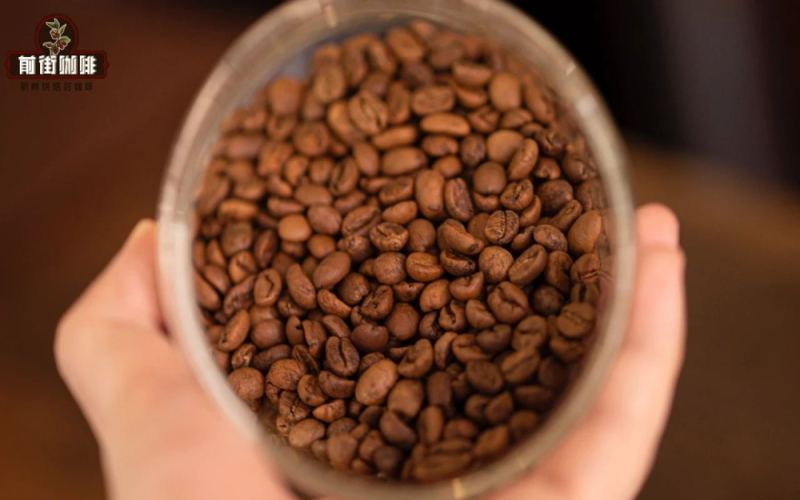
The Complete Guide to Giant Elephant Bean Coffee: Origins, Growing Conditions, and Flavor Brewing of the Maragogipe Variety
In the Arabica coffee family, there is a particularly large member—the Maragogype. Its scientific name is Maragogipe, and it was first discovered in Brazil in 1870. It was later recognized as a natural mutation of Typica, and its beans can be up to three times the size of ordinary Arabica beans. Due to high cultivation costs and difficult management, the producing areas of Maragogype are now mainly concentrated in a few Latin American countries. From the perspective of Front Street Coffee, this article will systematically introduce the variety origin of Maragogype, suitable growing regions, natural processing methods, roasting and brewing parameters, and its relationship with its hybrid descendant Pacamara, giving you a comprehensive understanding of this "giant" in the coffee world. [more…]
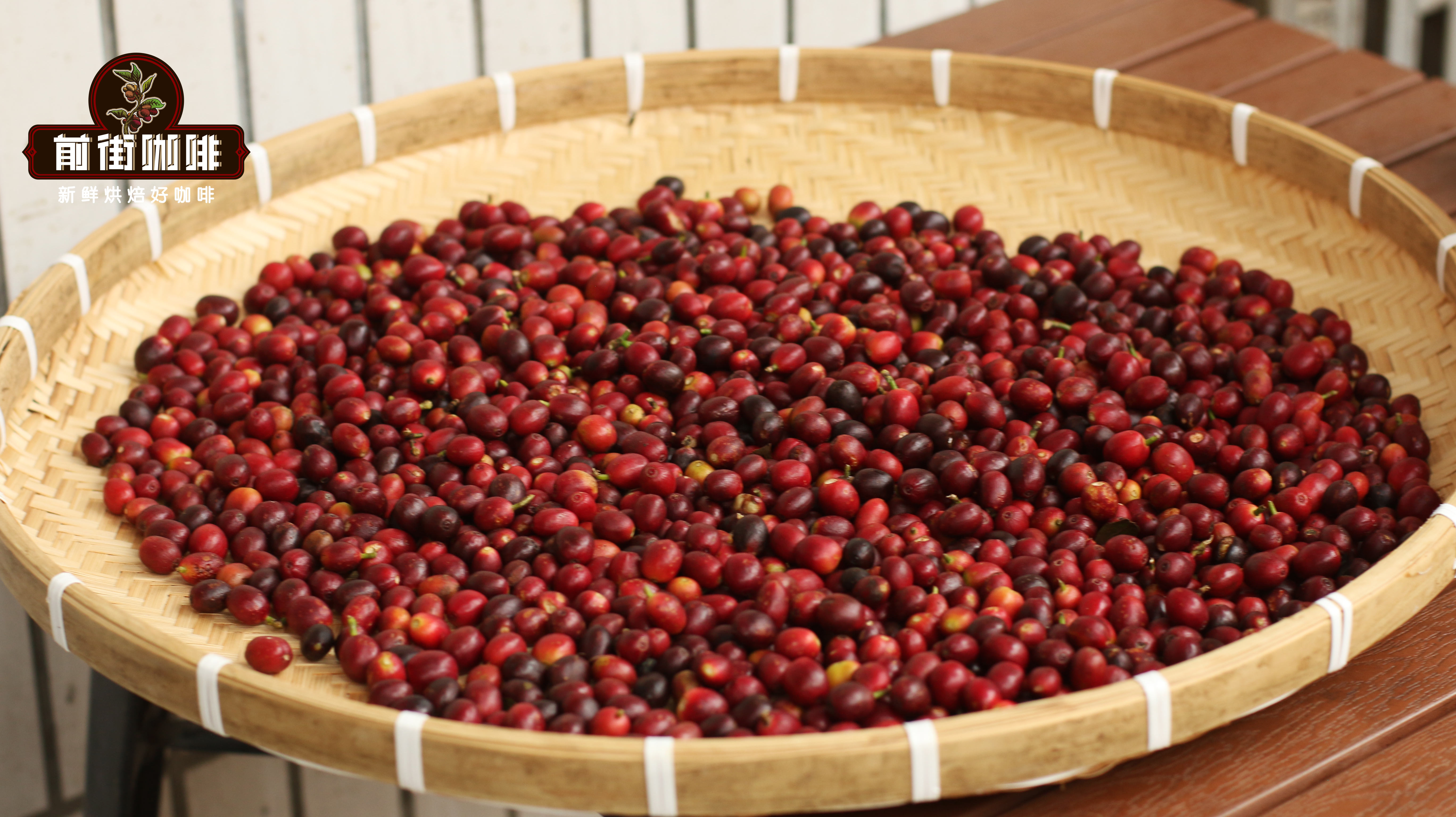
The Origin and Flavor Characteristics of Nicaragua Maragogype Elephant Bean and Front Street Coffee Roasting and Brewing Guide
In the Arabica family, there is a type of bean whose size far exceeds that of its peers, known as the giant elephant bean, with the scientific name Maragogype. It was first discovered in 1870 in Bahia, Brazil, and was later identified as a natural mutation of Typica, with the bean able to reach three times the size of ordinary Arabica. Due to high cultivation costs and difficult harvesting, elephant beans are scarce in yield and are currently mainly distributed in Brazil, Nicaragua, Mexico, Guatemala, and other places. Among them, the elephant beans produced by the Mama Mina estate under the Mierisch family in Nicaragua have outstanding flavor, with aromas of black berries, dark plums, and citrus peel, and a solid, silky mouthfeel. In this article, Front Street Coffee will guide you through the origin of elephant beans, their regional characteristics, sun-dried processing methods, and share specific roasting curves and brewing parameters, and finally compare them with their hybrid offspring Pacamara. [more…]
The Origins and Flavor Characteristics of Nicaragua Maragogype Elephant Bean: A Full Analysis from Variety Origins to Front Street Coffee Brewing
In the Arabica family, there is a member with an exceptionally prominent physique—the Maragogype, whose beans can be up to three times larger than ordinary Arabica. It was first discovered in 1870 in Bahia, Brazil, and later recognized as a natural mutation of Typica. Due to high cultivation costs and management difficulties, the Maragogype's distribution worldwide is quite limited, and Nicaragua's Mama Mina estate is one of the standout producing regions. In this article, Front Street Coffee will guide you through the Maragogype's origin story, variety characteristics, natural processing methods, along with detailed roasting curves and brewing parameters, and finally discuss its connection to Pacamara, giving you a comprehensive understanding of this giant coffee bean's unique charm. [more…]
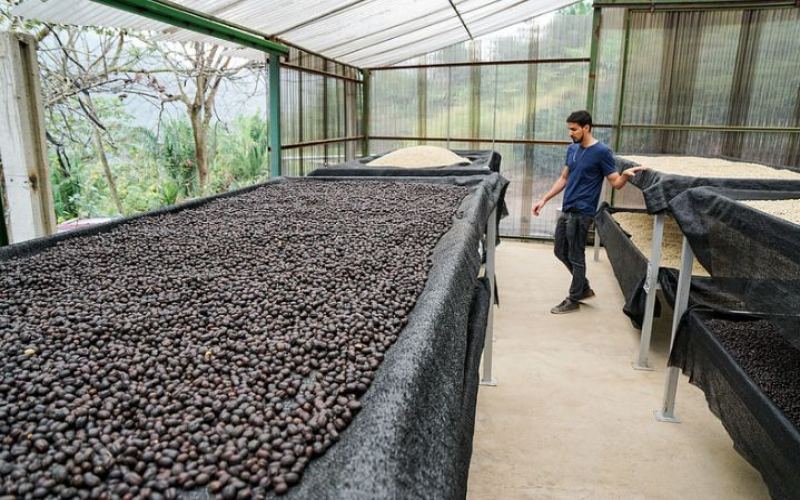
Bolivia Waliki Estate Java Coffee Beans: The Rodriguez Family's Cultivation Story and Roast Flavor Analysis
Although Bolivia is landlocked and produces scarce amounts of coffee, its superior natural conditions give rise to distinctive specialty coffee. The Rodríguez family has cultivated deep expertise over many years through Agricafe, growing special varieties such as Geisha and Java at the Huari Estate in the Caranavi region. Among these, the Java variety originated in Ethiopia and made its way to Bolivia via Indonesia and Central America, and is known for its elongated bean shape and outstanding flavor. Front Street Coffee is pleased to present this natural-process lot of Java beans from the Huari Estate, roasted on a Yangjia 800N semi-direct-fire roaster, with a cupping profile of hazelnut, cream, citrus, and fermented wine aromas. This article provides a comprehensive analysis of its origin background, variety lineage, processing method, and brewing recommendations. [more…]